 RoutineBloom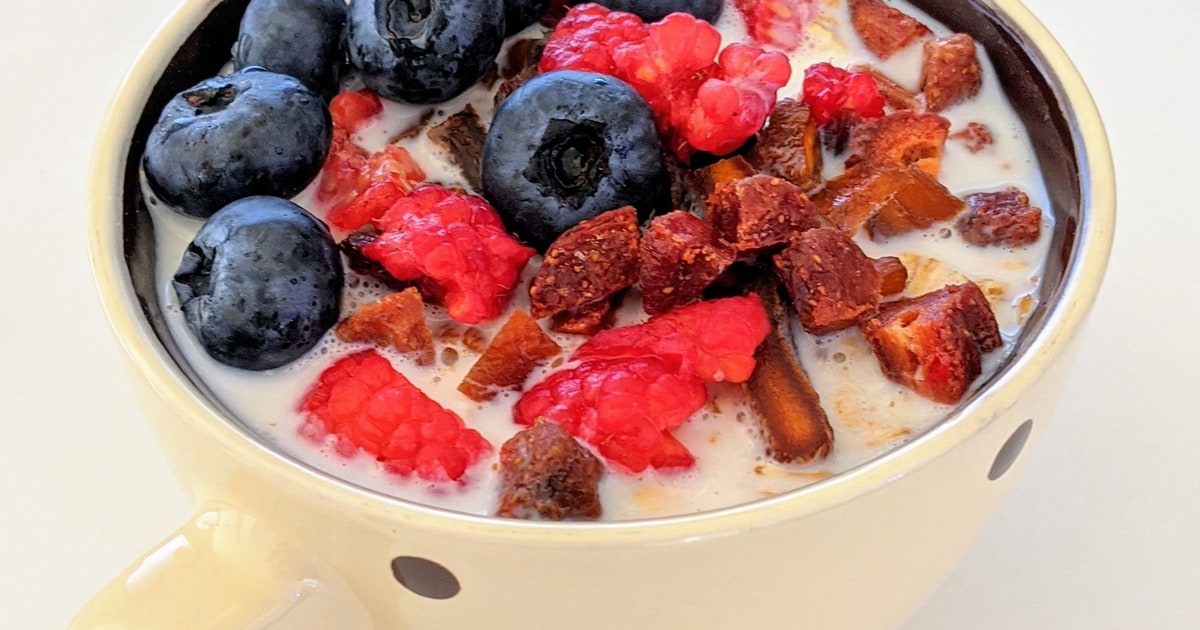
A useful weekday breakfast needs to solve two problems: you want something you enjoy eating, and you need to make it while the rest of the morning is happening. A recipe with fourteen ingredients rarely survives that test.
These seven breakfasts put a substantial protein source alongside fruit, vegetables, or whole grains. They can fit a weight-management plan, but no breakfast causes weight loss on its own. Your overall eating pattern, activity, health, and individual needs matter. Choose portions that suit you rather than treating the examples as a prescribed diet.
How to use these breakfast ideas
Each combination below makes one serving. Preparation times are estimates and assume washed produce and ordinary kitchen equipment. The recipes are suggestions, not kitchen-tested claims or a personalized nutrition prescription.
To make portions easier to compare, the yogurt examples use 170 grams of plain Greek yogurt. One representative product, FAGE Total 0%, lists 18 grams of protein per 170 grams. The bowl’s full nutrition will depend on the other ingredients and your chosen brands. Other yogurts, including many dairy-free varieties, have different protein amounts: read their labels.
Similarly, use the nutrition label on your tofu, cottage cheese, milk, and bread. Product types can differ substantially. There is no single protein target that this article can prescribe for every reader.
7 practical high-protein breakfasts
1. Greek yogurt, berry, and oat bowl
Time: about 5 minutes. For one: 170 g plain Greek yogurt, ½ cup berries, ¼ cup rolled oats, and 1 tablespoon pumpkin seeds.
Spoon the yogurt into a bowl, add the berries and oats, and scatter the seeds on top. For softer oats, mix them with the yogurt the night before and refrigerate. Keep the seeds separate until morning if you prefer crunch.
Make it work: frozen berries reduce chopping. Check the package for preparation directions. Use a bowl with a lid if breakfast needs to travel, and keep it chilled.
2. Egg and cottage-cheese toast
Time: about 10 minutes. For one: 2 eggs, ½ cup cottage cheese, 1 slice whole-grain toast, ½ cup cherry tomatoes, and 1 teaspoon olive oil.
Warm the oil in a pan, scramble the eggs until firm, and serve with the toast, cottage cheese, and tomatoes. Keep the cottage cheese on the side if you prefer its texture cold.
Make it work: wash the tomatoes ahead. If sodium is something you monitor, compare cottage-cheese labels. Do not assume all products have the same nutrition because their containers look similar.
3. Overnight oats with Greek yogurt
Time: 5 minutes of preparation, plus overnight chilling. For one: ½ cup rolled oats, 170 g plain Greek yogurt, ½ cup milk or fortified soy milk, ½ chopped apple, and cinnamon.
Mix everything in a covered container and refrigerate overnight. Stir in the morning and add a splash of milk if you want a looser texture. Use certified gluten-free oats if medically necessary.
Make it work: prepare a couple of jars rather than an entire week at once. Change the fruit when you want variety; the basic preparation can stay the same.
4. Super-firm tofu breakfast scramble
Time: about 15 minutes. For one: 170 g high-protein super-firm tofu, 1 cup chopped spinach and bell pepper, 1 teaspoon olive oil, 1 slice whole-grain toast, and pepper or a spice blend you enjoy.
Crumble the tofu. Warm the oil, soften the vegetables, then add the tofu and seasoning. Cook until hot throughout and serve with toast. Follow the tofu package’s handling and preparation instructions.
Make it work: super-firm tofu and silken tofu are not interchangeable here. Choose the texture you like and check its protein label. Pre-cut frozen vegetables can shorten the preparation.
5. Cottage-cheese fruit bowl with toast
Time: about 5 minutes. For one: 1 cup cottage cheese, ½ cup sliced peaches or berries, 1 tablespoon chopped walnuts, and 1 slice whole-grain toast.
Layer the fruit over the cottage cheese and add walnuts. Serve the toast alongside. If texture is the obstacle, blend the cottage cheese before adding the toppings.
Make it work: choose canned fruit packed in water or juice if fresh fruit is inconvenient, and drain it. Omit the walnuts or use a tolerated alternative when allergies require it.
6. Egg and black-bean breakfast wrap
Time: about 12 minutes. For one: 2 eggs, ½ cup drained and rinsed canned black beans, 1 small whole-wheat tortilla, 2 tablespoons salsa, and 1 teaspoon olive oil.
Scramble the eggs in the oil until firm. Heat the beans, warm the tortilla, then fill it with eggs, beans, and salsa. Fold the sides inward before rolling to make it easier to eat on a busy morning.
Make it work: keep the tortilla size consistent when comparing products. A very large wrap changes the meal considerably. If preparing ahead, store the cooked filling safely and assemble when ready.
7. Peanut-butter banana yogurt smoothie
Time: about 5 minutes. For one: 170 g plain Greek yogurt, ½ cup milk or fortified soy milk, ½ banana, 1 tablespoon peanut butter, and a handful of ice.
Blend until smooth. Add water or extra ice if needed for texture. Use a suitable seed butter instead of peanut butter if your allergies allow it, and check every ingredient label.
Make it work: measure the nut butter rather than pouring freely from the jar. If drinking breakfast leaves you wanting a more substantial meal, choose one of the bowls or the wrap instead.
A small prep plan for the workweek
Pick two breakfasts that share ingredients. Yogurt bowls and overnight oats use the same yogurt, oats, and fruit; eggs on toast and egg wraps share eggs and vegetables. This makes the shopping list shorter and gives perishable ingredients more than one use.
- Before shopping: count how many mornings you will actually eat at home.
- After shopping: put the next morning’s ingredients together in the refrigerator.
- The night before: set out a bowl or pack dry ingredients, while keeping perishable food chilled.
- Midweek: replenish a small batch rather than assuming Sunday preparation will last until Friday.
USDA guidance recommends refrigerating perishable leftovers within two hours, or one hour above 90°F, and keeping the refrigerator at 40°F or below. Most cooked leftovers keep for three to four days when handled correctly. Reheat cooked leftovers to 165°F. Follow product dates and specific storage instructions as well.
Where breakfast fits into weight management
NIDDK emphasizes a sustainable eating pattern together with physical activity and habits that fit your life. Breakfast is one part of that pattern. A protein claim on a package does not make the whole meal appropriate for every person or guarantee a calorie deficit.
If you have been told to limit protein, have kidney disease, or need nutrition advice for a medical condition, ask your clinician or registered dietitian about suitable choices. These examples are not designed as a weight-loss plan for children or during pregnancy.
Try one option for a few mornings and note whether it is enjoyable, affordable, and practical. Pair it with a manageable morning routine or explore a beginner walking habit if appropriate for you.
Common questions
Do I need protein powder?
No. These combinations use foods such as yogurt, eggs, beans, cottage cheese, and tofu. Powder is not required to prepare any recipe here.
Are these guaranteed weight-loss breakfasts?
No. They are meal ideas that may fit a broader plan. Weight change depends on your overall intake, activity, health, and other individual factors.
Can I make them dairy-free?
The tofu scramble and egg-and-bean wrap can be dairy-free if the other ingredients are suitable. For other recipes, check replacement labels because dairy-free yogurts and drinks vary in protein and nutrients.
How much protein is in each meal?
It depends on the exact products and portions. The yogurt example uses a label listing 18 g per 170 g, before toppings. Add the values on your own ingredient labels if you need a meal total.
Sources & further reading
References checked October 16, 2026. The practical examples and suggested schedules are RoutineBloom editorial material.
Brand links are examples for checking ingredient labels, not endorsements or affiliate links. Meal ideas and preparation times are editorial suggestions.